Waterproofing in Wyoming, MI

Request an estimate to address your foundation waterproofing needs and protect your home from water intrusion.
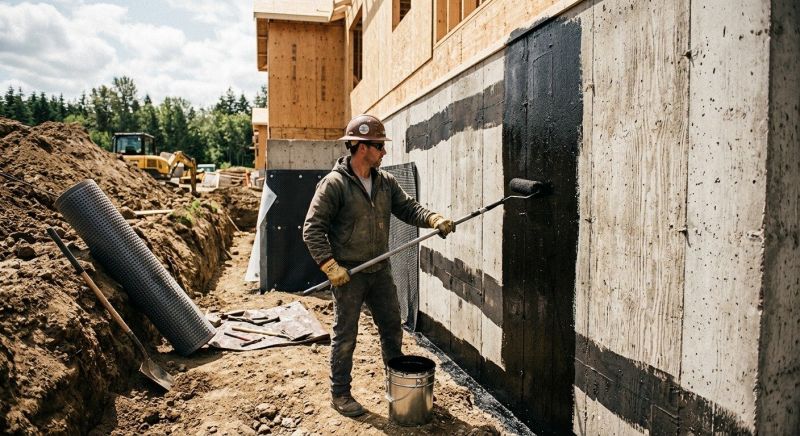
Waterproofing project example
Know What Comes Next

Waterproofing Project Planning

1Identify Foundation Waterproofing Areas and Conditions

Determine which basement walls or foundation sections require waterproofing and assess existing moisture or damage conditions.

2Select Critical Waterproofing Materials or Systems

Decide whether to prioritize interior sealants, exterior membranes, drainage systems, or sump pump upgrades based on the foundation's needs.

3Compare Waterproofing System Specifications and Deliverables

Review proposed waterproofing membrane types, drainage component details, and surface preparation steps to ensure consistency between estimates.

Waterproofing Service Guide

Learn about this service and how it relates to the work you need.
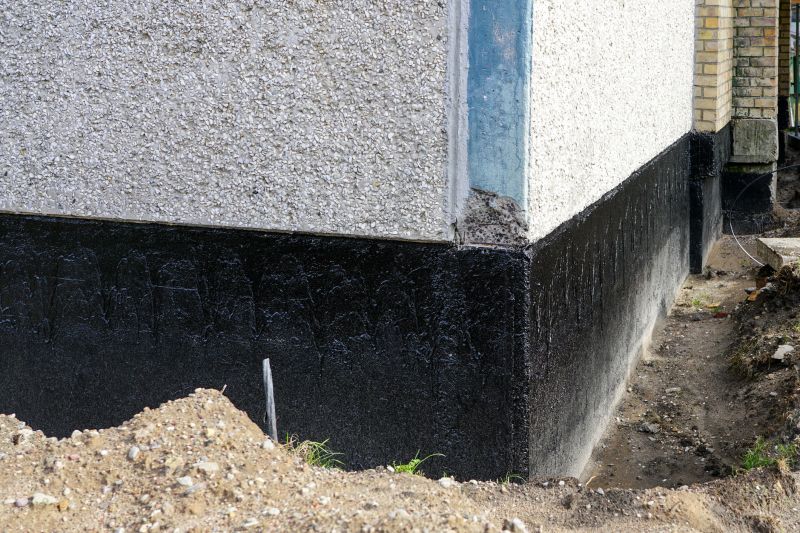
Foundation Waterproofing project example

Foundation Waterproofing

Applying foundation waterproofing is appropriate when basement walls show signs of moisture intrusion or water damage, helping prevent future leaks and structural deterioration.

What to Expect

Use these general planning benchmarks to frame the project before requesting an estimate.

Estimated Cost - Waterproofing projects typically range from $2,500 to $8,000 depending on scope and foundation size.
Typical Duration - Most waterproofing installations or repairs take 1 to 3 days to complete.
Key Preparation Factor - Properly assessing existing foundation conditions is essential before starting waterproofing work.
Planning benchmarks are general unless verified local data is supplied. Confirm scope, pricing, and local requirements with each contractor.

Common Questions

Quick answers to practical questions about waterproofing.

How can I determine if my foundation needs waterproofing?

Signs like persistent basement moisture, water stains, or damp walls indicate a need for waterproofing assessment.

Is interior or exterior waterproofing more suitable for my foundation?

Exterior waterproofing is best for active leaks and preventing water entry, while interior solutions address existing moisture issues.

What materials are commonly used for waterproofing foundations?

Common materials include waterproof membranes, sealants, drainage panels, and sump pump systems, chosen based on foundation condition.

How does access to the foundation affect the waterproofing process?

Limited access may require additional preparation or specialized equipment, potentially impacting disruption and scope.

What maintenance is needed after waterproofing is installed?

Regular inspections for cracks, drainage issues, and moisture levels help maintain waterproofing effectiveness over time.

Brand Philosophy · WYOMINGMIWATERPROOFING.COM
“A strong foundation keeps your home standing firm and your family confident.”
Request a Project Estimate

Share your project type, property details, and main goal to request an estimate.

Get A Local Estimate
Waterproofing Technologies Information

Waterproofing is essential for protecting structures from water intrusion, preventing damage, mold growth, and deterioration. Techniques include membrane application, sealants, coatings, and drainage systems, ensuring long-term durability and structural integrity.

Read more
Foundation Leveling Services

This page discusses foundation stabilization techniques, including inspection, repair methods, and preventive measures to address settling, cracks, and structural issues for residential and commercial buildings.

Read more
Foundation Waterproofing Services

Waterproofing services are crucial for protecting building foundations from water intrusion, reducing damage, and extending lifespan through techniques like membrane application, drainage systems, and crack sealing.

Read more
Crawlspace Encapsulation Guide

Crawlspace encapsulation involves sealing and insulating to prevent moisture, pests, and structural damage, which improves indoor air quality and energy efficiency while reducing maintenance and health risks.

Read more